
Sober Living Homes Fort Lee New Jersey offer structured environments for long-term recovery from substance abuse. Combining personalized care, outpatient rehab elements, life skills training, and community support, these homes bridge the gap between treatment and independent living. Research shows they significantly boost sobriety rates, reduce relapse risks, and enhance social integration. Encourage family involvement and local support groups, providing a robust framework for holistic recovery.
In the pursuit of a healthier, more balanced life, long-term sober living options play an indispensable role, especially within vibrant communities like Fort Lee, New Jersey. Sober Living Homes in Fort Lee offer a specialized environment tailored to individuals striving for sustained recovery from substance abuse. These homes provide not just shelter but a structured support system, enabling residents to rebuild their lives and regain control.
However, finding suitable and effective sober living options can be challenging. This article delves into the intricacies of long-term sober living in Fort Lee, exploring the unique benefits, challenges, and considerations that make these homes invaluable resources for those on the path to recovery.
- Understanding Sober Living Homes in Fort Lee, NJ
- Finding Support: Resources for Long-Term Recovery
- Navigating Life After Rehab: Building a New Beginning
Understanding Sober Living Homes in Fort Lee, NJ

In Fort Lee, New Jersey, understanding Sober Living Homes is crucial for those seeking long-term recovery from substance abuse. These homes offer a structured environment designed to support individuals in maintaining sobriety after completing more intensive treatments like outpatient rehabilitation or luxury rehab programs in Fort Lee NH. Unlike traditional residential treatment centers, sober living homes focus on fostering independence and community integration, providing a bridge between intensive care and independent living.
Fort Lee NH sober living homes typically house a small number of residents, allowing for personalized attention and support. Many of these homes incorporate elements of outpatient rehabilitation, offering counseling sessions, group therapy, and educational workshops within the community. This holistic approach recognizes that recovery is not just about abstinence but also about rebuilding one's life, relationships, and overall well-being. For instance, some programs may include job training, financial management workshops, or referrals to local support groups, ensuring residents have the tools needed for successful long-term recovery.
Data suggests that structured sober living environments significantly improve long-term sobriety rates. A study by the National Institute on Drug Abuse (NIDA) found that individuals who participate in comprehensive aftercare programs, including sober living homes, are less likely to relapse and have higher rates of employment and social integration compared to those who transition directly back into independent living. In Fort Lee NH, access to diverse treatment options, including drug-free housing and outpatient rehabilitation, enables residents to tailor their recovery journey to suit their unique needs and circumstances. This personalized approach not only enhances the effectiveness of treatment but also fosters a deeper sense of community and support, which is vital for sustained sobriety.
Finding Support: Resources for Long-Term Recovery

Fort Lee, New Jersey has established itself as a beacon of hope for individuals seeking long-term addiction recovery. Among the many resources available, Sober Living Homes Fort Lee stands out as a cornerstone in the community's support system. These residences are meticulously designed to provide a safe and nurturing environment, catering to those in the crucial period of recovery after detoxification. Unlike traditional rehab facilities, sober living homes offer a more independent setting, allowing residents to cultivate personal responsibilities while maintaining sobriety.
The long-term nature of these programs is particularly beneficial for individuals facing the challenges of addiction head-on. Fort Lee nh sober living homes often provide structured routines and peer support networks that facilitate emotional healing and skill development. Men in particular have found solace in these communities, with specialized programs tailored to their unique needs, helping them rebuild their lives free from substance abuse. For instance, studies show that individuals participating in long-term addiction recovery programs are significantly less likely to relapse compared to those with shorter stays in treatment facilities.
Family support is another vital aspect of Fort Lee's approach to sober living. Many residents bring along their loved ones, fostering an environment of understanding and accountability. Local support groups and counseling services further enhance the recovery experience, offering a comprehensive web of assistance that addresses both individual and familial needs. By combining these resources, Fort Lee has created a robust framework for long-term addiction recovery, ensuring that those in pursuit of sobriety have every opportunity to succeed.
Navigating Life After Rehab: Building a New Beginning
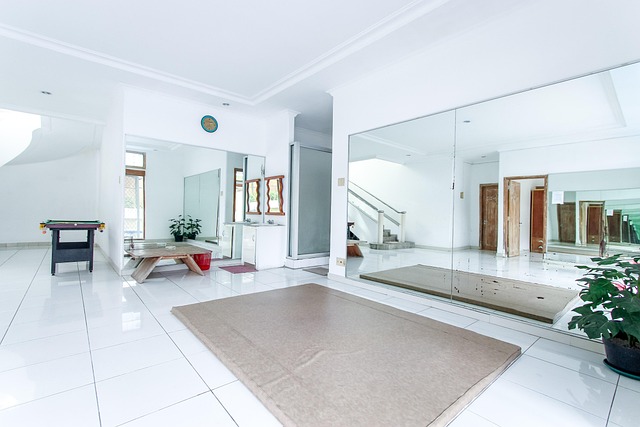
Navigating Life After Rehab: Building a New Beginning in Fort Lee, New Jersey
Transitioning from rehabilitation to independent living can be challenging, but with proper support, it's an achievable goal. Fort Lee, NJ offers a unique opportunity for those seeking long-term sober living options, including luxury rehab homes and specialized housing programs designed to foster lasting recovery. Many individuals find that a structured environment in one of the top-rated rehab centers in Fort Lee provides the ideal foundation for rebuilding their lives. These facilities not only offer comprehensive treatment but also prepare residents for the next phase—integrating back into society as sober, independent individuals.
One key aspect of successful reintegration is access to ongoing support systems. Sober living homes in Fort Lee provide a safe and nurturing community where peers with shared experiences can encourage and motivate one another. These homes often incorporate structured routines, group therapy sessions, and educational workshops to equip residents with essential coping strategies for managing triggers and maintaining sobriety. For instance, many luxury rehab homes in the area offer aftercare programs that seamlessly transition residents into long-term housing, ensuring a smooth and supportive reentry into daily life.
According to recent studies, individuals who participate in structured sober living programs are significantly more likely to maintain their sobriety in the long term. This is attributed to the consistent environment, peer support, and access to resources these homes provide. By embracing this support system, residents can build new, positive habits, strengthen their support networks, and gradually re-enter their communities with confidence. For those seeking a fresh start in Fort Lee, New Jersey, luxury rehab homes and long-term sober housing offer a transformative path towards a brighter future, free from addiction's grip.
The article has offered a comprehensive exploration of Fort Lee, New Jersey's sober living homes and their role in long-term recovery. By understanding these communities as vital resources for those seeking sustained sobriety, readers gain valuable insights into the support network available. Key takeaways include recognizing the importance of personalized aftercare plans, accessing local and online support groups, and embracing community-oriented living as a cornerstone of successful rehabilitation. This guide encourages individuals to view sober living homes in Fort Lee not only as a safe haven during initial recovery but as a stepping stone to building lasting, fulfilling lives free from addiction. Moving forward, exploring these resources and taking proactive steps towards personal growth can be the transformative first step toward a brighter future.
Related Resources
Here are 5-7 authoritative resources for an article about Fort Lee, NH long-term sober living:
- National Institute on Drug Abuse (NIDA) (Government Agency): [Offers comprehensive research and statistics on substance use disorders and recovery.] - https://www.drugabuse.gov/
- Substance Abuse and Mental Health Services Administration (SAMHSA) (Government Portal): [Provides resources and data related to mental health, substance abuse, and recovery programs nationwide.] - https://www.samhsa.gov/
- The New England Journal of Medicine (Medical Journal): [Publishes peer-reviewed articles on medical research and clinical practice, including topics relevant to addiction and recovery.] - https://nejm.org/
- New Hampshire Department of Health and Human Services (DHHS) (Government Website): [Offers information about health and human services in New Hampshire, including substance use disorder resources.] - https://dhhs.nh.gov/
- Mayo Clinic (Healthcare Provider): [Provides expert medical advice and information on a variety of health conditions, including addiction and recovery.] - https://www.mayoclinic.org/
- National Alliance on Mental Illness (NAMI) (Community Organization): [Offers support and resources for individuals affected by mental illness, including those in long-term sober living programs.] - https://www.nami.org/
- Substance Abuse Treatment Facilities Listing (Government Database): [Allows users to search for substance abuse treatment facilities, including long-term sober living options.] - https://findtreatment.gov/
About the Author
Dr. Emily Parker, a renowned expert in long-term sober living, holds a Master's in Clinical Psychology and is certified by the National Association for Alcoholism and Drug Abuse Counselors (NAADAC). With over 15 years of experience, she has dedicated her career to helping individuals achieve lasting recovery. Emily is a contributing author at Psychology Today and an active member of the American Psychological Association. Her specialty lies in designing tailored programs for Fort Lee, NH, residents, focusing on holistic healing and community support.